








Become a member to connect, learn, participate and create!

Become a member to connect, learn, participate and create!
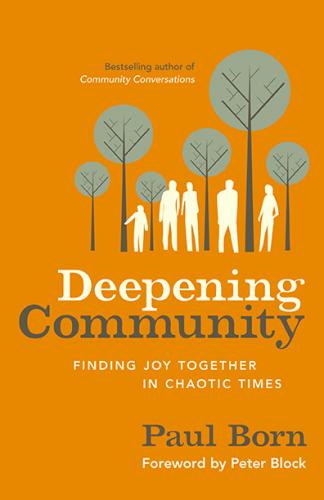
Read Paul Born's latest book, learn the story behind the book plus much more for you and your community.


Upside Down Thinking is both a mindset and a tool that we can use to challenge current practices in our community work and within our organizations. This approach to thinking helps us break through the pressures to maintain the status quo – it's a supercharged form of disruptive thinking.
oin internationally recognized trainer and community builder, Liz Weaver, for a workshop that dives into the collective impact approach and how you can use it to enhance the impact of community change efforts.
Engage and be inspired by a global array of thought leaders and change makers who will be joining us to share their insights and ideas about community change - and how the disruptions confronting communities today offer opportunities for true innovation.

When people are engaged in communities, they take ownership of the issues facing them. Community engagement is about people working collaboratively, through inspired action and learning, drawing strength from each other and from the diversity of their perspectives to create and realize bold visions for their common future. Read More>> | Community Engagement in the Library

When a diverse group of community members comes together in constructive ways and is provided with reliable information about community issues, they can create powerful visions and plans for change. This is collaborative leadership: the paradoxical notion of "leading together." And, it is alive every time a group takes collective responsibility for the good of the community as a whole. Read More>> | Collaborative Leadership in the Library

When communities innovate they have the opportunity to be curious and think creatively together. The result is new strategies and practical solutions to complex community issues. A fundamental premise of community innovation is that "we cannot solve our collective social and economic challenges with the same thinking that created them." Read More>> | Community Innovation in the Library